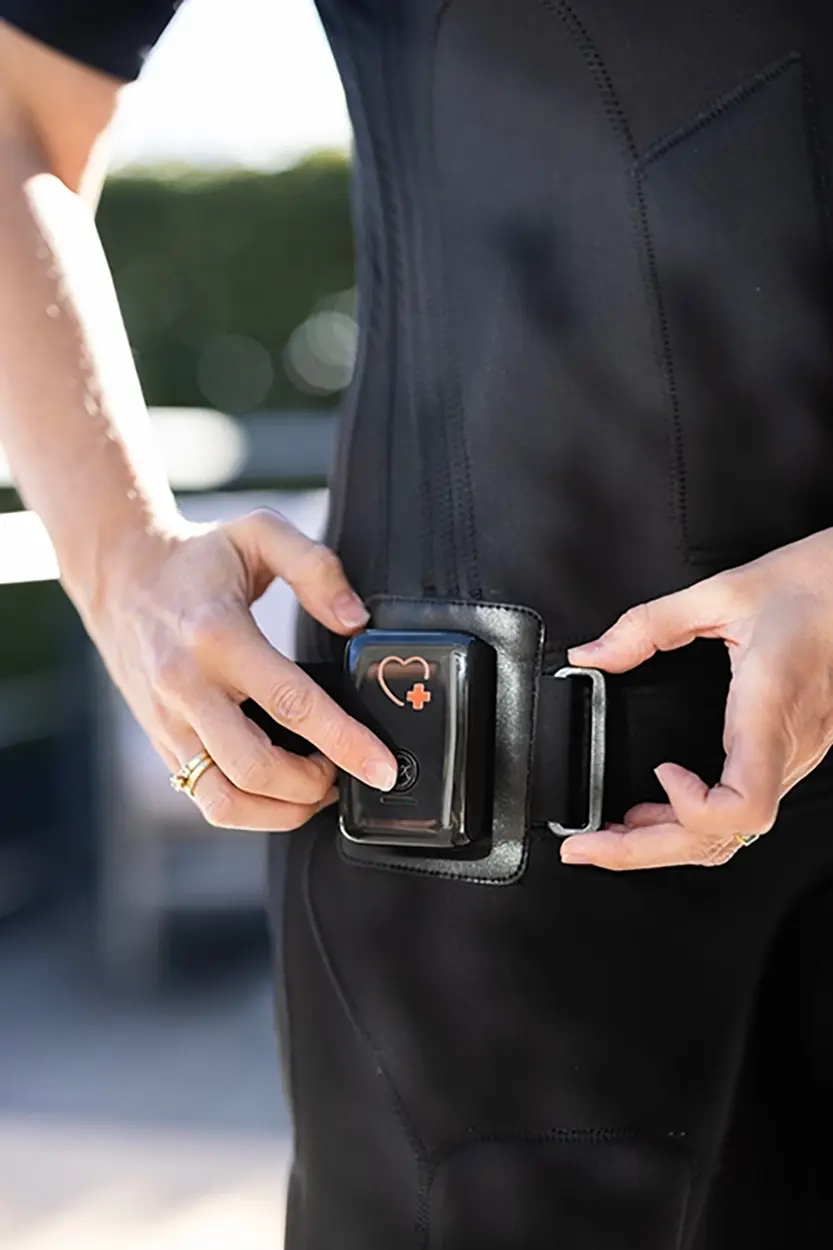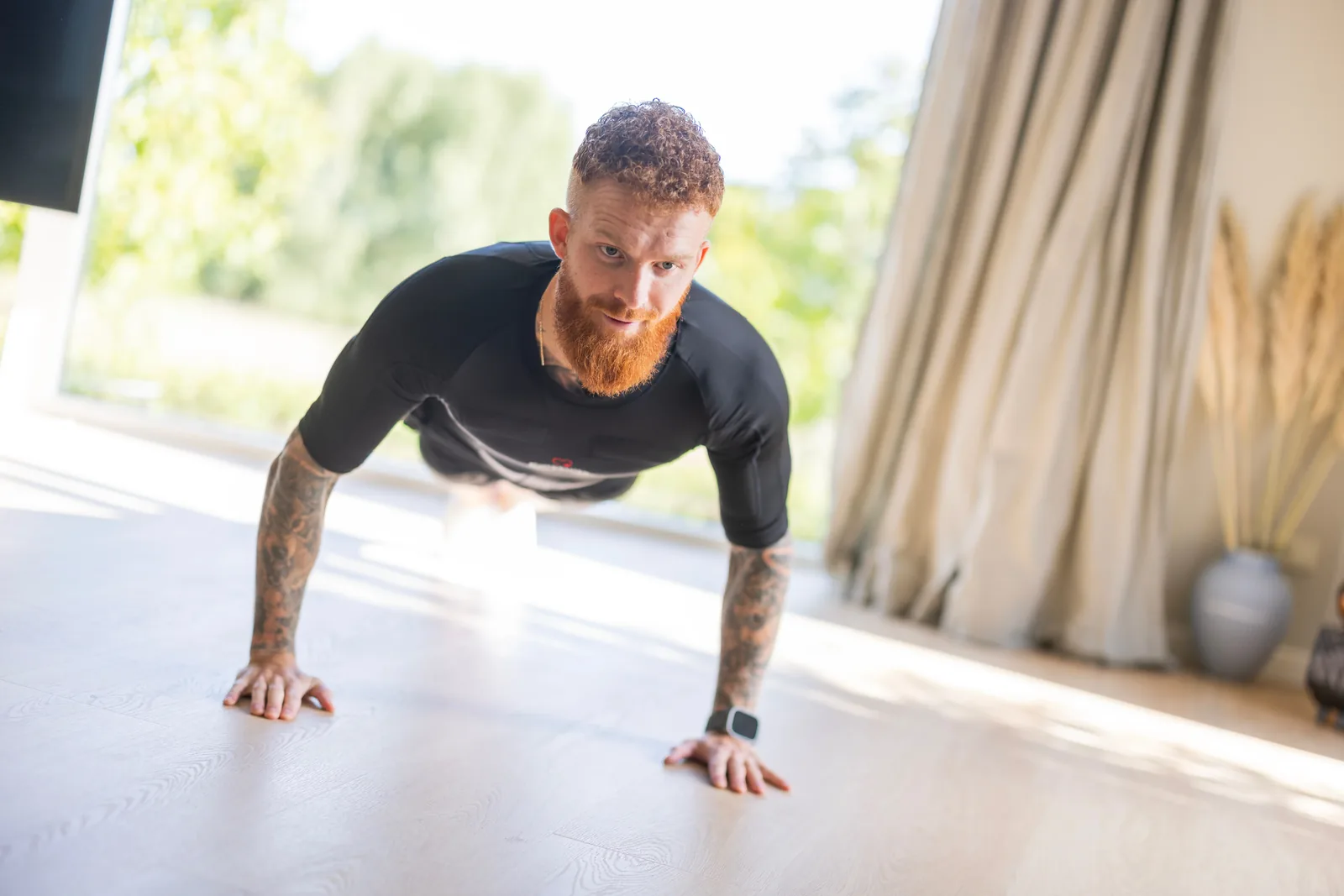

EMS training can seem a little unusual when you first see it. A suit with electrodes, electrical impulses and short workouts sounds different from traditional strength training.
But for many people, EMS is actually a fairly straightforward way to get started with exercise. Sessions are short, the intensity can be adjusted and the exercises are often simple.
If you have never tried EMS before, it is perfectly normal to be unsure what to expect. Here is a complete getting-started guide to EMS training for beginners.
What is EMS training?
EMS stands for electrical muscle stimulation. During training, electrical impulses are sent to your muscles via electrodes in an EMS suit.
The impulses make your muscles contract — much like when your brain normally sends signals through your nervous system.
EMS is typically combined with simple exercises such as:
- squats
- planks
- lunges
- glute bridges
- stability exercises
The aim is to activate several muscle groups simultaneously in a relatively short time.
What happens at your first EMS session?
Your first EMS session is usually gentler and more introductory than many people expect.
It typically goes like this:
- You put on the EMS suit
- The intensity is gradually adjusted
- You feel the impulses for the first time
- You perform simple exercises
- The session often lasts 15-25 minutes
Most people start at a low to moderate intensity so their body can get used to the sensation.
What is normal to feel the first time?
EMS feels different from conventional exercise, so it is perfectly normal for your first experience to feel a little unfamiliar.
Many people describe it as:
- a buzzing or tingling sensation
- rhythmic muscle contractions
- simple exercises feeling harder than usual
- muscles tiring quickly
Some also experience soreness the next day — especially if they have not done strength training for a long time.
Most importantly, training should not hurt. The intensity should feel challenging but still controlled.
Does EMS training hurt?
No — EMS should not be painful.
It can feel intense, especially the first time, because your muscles are working differently from what you are used to. But if the impulses feel uncomfortable or downright painful, the intensity is probably too high.
As a beginner, it is better to start gently and gradually get your body used to the impulses.
What should you know before your first EMS session?
A few things can make your first workout easier:
- drink water before training
- eat a light meal beforehand
- start at a low intensity
- do not expect maximum exertion the first time
- listen to your body throughout
EMS is not about pushing your body to its limits from day one. It is more about getting to know the sensation and technique.
How hard should you train as a beginner?
Many people mistakenly believe EMS must be set to the highest intensity to work. This is rarely necessary — especially as a beginner.
For most people, it works best to:
- start at a moderate level
- focus on control
- learn the exercises correctly
- get your body used to the impulses
Higher intensity is not automatically better.
Which exercises are good for beginners?
EMS often works best with simple, controlled exercises.
Good beginner exercises include:
- squats
- glute bridges
- planks
- gentle lunges
- standing arm contractions
The simpler the exercises, the easier it is to focus on technique and engaging your muscles.
How often should beginners do EMS training?
For beginners, 1-2 sessions a week is often enough initially.
EMS can be more intensive for your muscles than many people expect, which makes recovery important. Your body needs breaks between workouts.
Training with EMS every day is rarely beneficial.
What can you expect after your first EMS session?
After their first EMS session, many people experience:
- tired muscles
- soreness in unfamiliar places
- better muscle engagement
- a feeling of having worked their whole body
Some are surprised by how much they can feel simple exercises when EMS is active.
However, results do not come after a single workout. Consistency and regular training matter most.
Common beginner mistakes with EMS training
There are several mistakes many people make at first:
- increasing the intensity too quickly
- doing too many sessions
- choosing exercises that are too advanced
- not allowing enough recovery
- focusing on maximum exertion rather than technique
EMS works best when you build up your training gradually.
Can you start EMS training at home?
Yes, many people start using EMS at home. The most important thing is to take it gently at first and follow the instructions.
If you train at home as a beginner:
- start with simple programmes
- use a low intensity
- focus on technique
- keep sessions short
Home training offers flexibility and makes it easier to fit exercise into everyday life.
Who should be cautious about EMS?
EMS is typically not recommended if you have:
- a pacemaker
- a pregnancy
- epilepsy
- a serious heart condition
- a fever or infection
If you are unsure, speak to a doctor or qualified professional before starting.
EMS training for beginners — a quick overview
| Question | Short answer |
|---|---|
| How long does a session last? | Typically 15-25 minutes |
| How often should you train at first? | 1-2 times a week |
| Should it hurt? | No, it can feel intense, but not painful |
| Which exercises are best? | Simple exercises such as squats, planks and glute bridges |
| What is normal afterwards? | Muscle fatigue and soreness |
Frequently asked questions
Is EMS training good for beginners?
Yes, EMS can be a manageable way to get started with exercise because the intensity can be adjusted individually.
What does EMS feel like the first time?
Many people describe it as a buzzing or tingling sensation, with their muscles working more intensely than usual.
Can you feel sore after EMS training?
Yes, soreness is completely normal, especially as a beginner, because your muscles are activated differently from conventional exercise.
How quickly do beginners see results?
Many people experience better muscle engagement relatively quickly, while more visible results require consistent training over time.
Can beginners use EMS at home?
Yes, provided you start gently and follow the instructions.
How often should you do EMS training at first?
For most people, 1-2 times a week is an appropriate starting point.