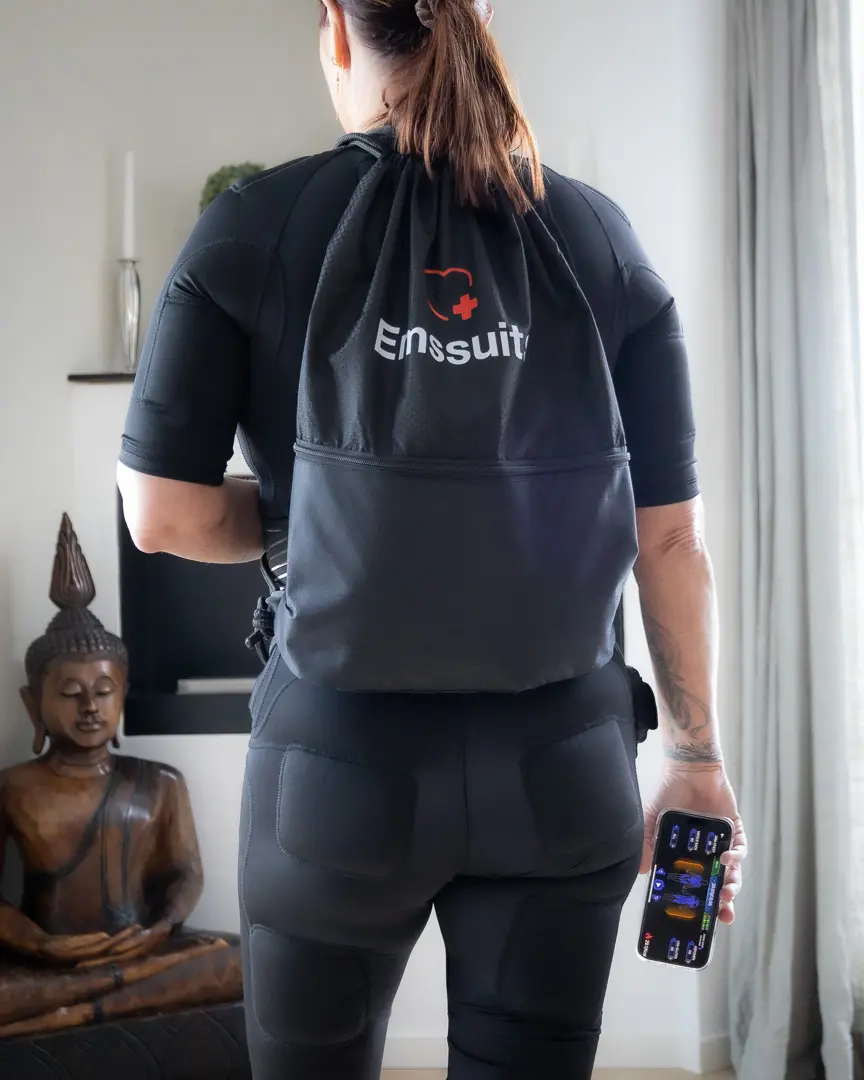
Many people notice their bodies changing with age. Muscle strength, balance and mobility become more important, while intense training with heavy weights can feel less appealing or more physically demanding.
This has led more people to take an interest in EMS training as a gentler alternative or complement to conventional exercise. EMS training allows you to activate several muscle groups at once without necessarily putting strain on joints and tendons through heavy lifting.
For many older adults, exercise is not just about performance – it is about keeping the body strong, stable and functioning well in everyday life.
Why does strength training become more important with age?
As we get older, the body gradually loses muscle mass and strength. This is a natural process, but physical activity and strength training can help maintain the body and make everyday life easier.
Strength is not just about exercise or fitness. It also matters for everyday activities such as:
- getting up from a chair
- climbing stairs
- keeping your balance
- carrying shopping bags
- moving freely and confidently
That is why many people over 50 choose to prioritise strength and mobility more than before.
What is EMS training?
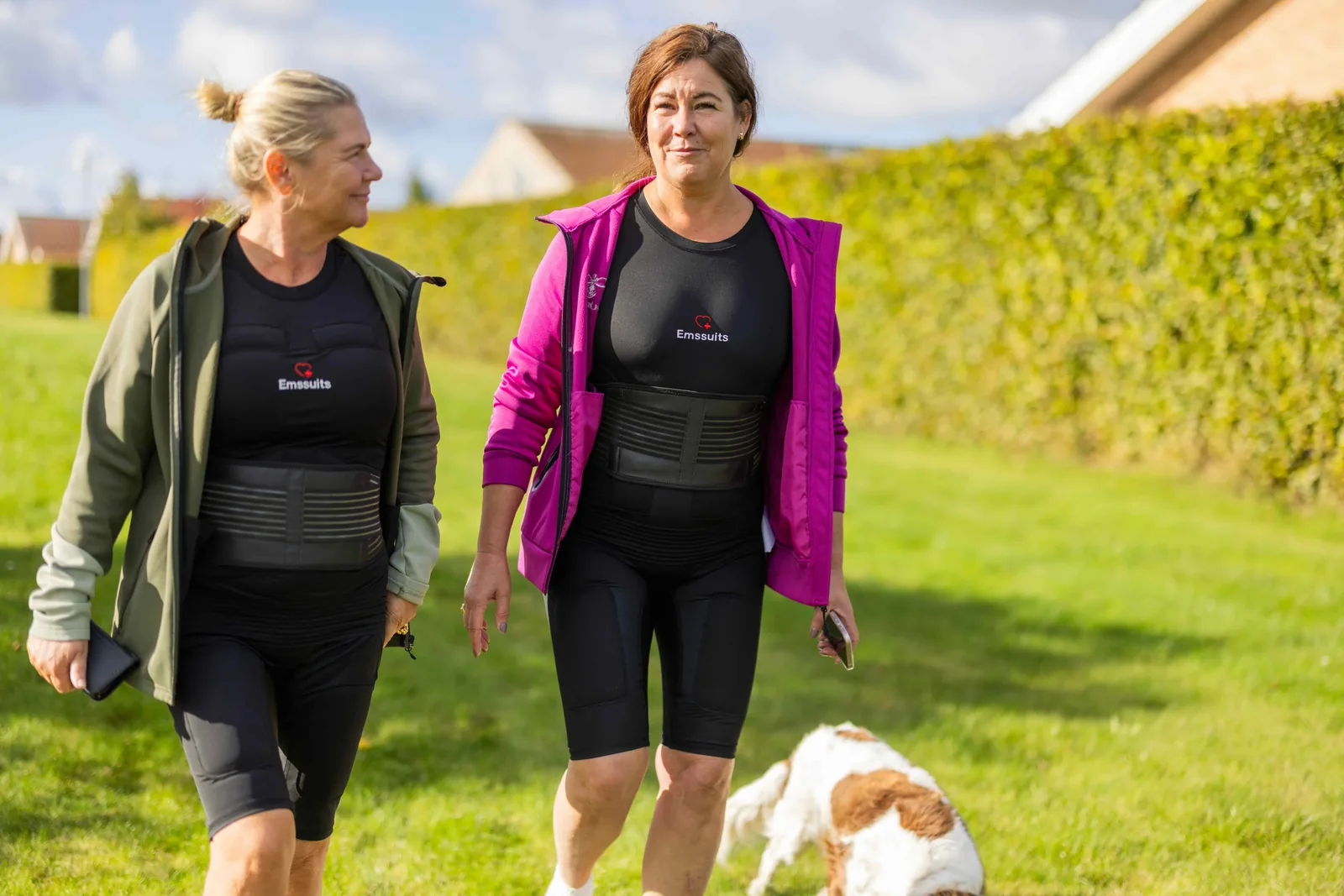
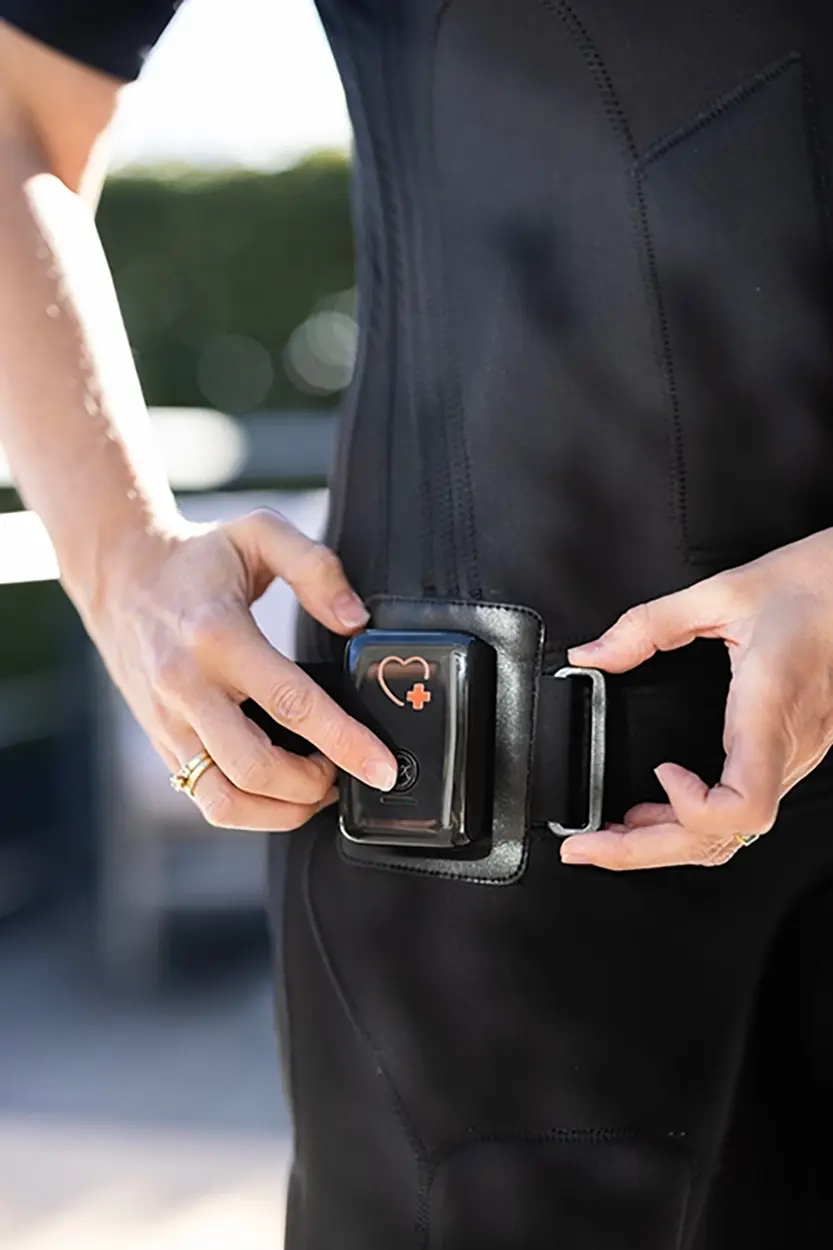
EMS stands for electrical muscle stimulation. During training, electrical impulses activate the muscles through electrodes positioned in an EMS suit.
The impulses cause the muscles to contract in the same way as during conventional exercise. The difference is that several muscle groups can be activated at the same time, and the exertion often feels gentler than traditional strength training with heavy weights.
EMS was originally used in physiotherapy and rehabilitation, but is now also used as a regular form of exercise.
Why might EMS be relevant for older adults?
One of the biggest advantages of EMS training is that the intensity can be tailored to the individual. This makes it relevant for many older adults who want to strengthen their bodies without heavy loading.
Many people use EMS to:
- maintain strength
- improve stability
- develop a better connection with their muscles
- keep their bodies active in a short time
For some, EMS can also be a more manageable way to get started with strength training, especially if they do not feel comfortable in a traditional gym.
Training often involves slow, controlled movements, focusing on quality rather than heavy loads.
EMS and mobility – how are they connected?
Mobility is not just about flexibility. It is also about strength, stability and control over the body's movements.
As muscles become stronger and more active, moving freely in everyday life can become easier. Many people notice:
- better body control
- greater stability
- easier movement
- better posture
EMS can therefore complement regular movement and exercise if the aim is to keep the body active and functional for longer.
Which muscle groups are particularly important after 50?
EMS training activates many of the body's major muscle groups at the same time. These areas are particularly important for balance and everyday movement:
| Muscle group | Why it matters |
|---|---|
| Core and abdominals | Stability and balance |
| Legs and thighs | Walking, stairs and strength |
| Hips and glutes | Stability and body control |
| Back | Posture and support |
| Shoulders | Upper-body movement and function |
Keeping these areas active often makes it easier to maintain a strong, stable body in everyday life.
What does EMS training for older adults involve?
EMS training for older adults typically takes place at a gentle pace, with a focus on control and comfort.
A session often lasts between 15 and 25 minutes and usually consists of simple exercises such as:
- squats
- gentle lunges
- balance exercises
- core exercises
- stability training
The intensity is tailored to the individual, and many people start at a low level until their bodies become accustomed to the impulses.
How often should older adults do EMS training?
For most people, 1-2 sessions a week is plenty to begin with. EMS can be intensive for the muscles, even if the workout does not necessarily feel demanding in the same way as conventional strength training.
Recovery is important, and the body needs breaks between sessions to rebuild.
Consistency often matters more than high intensity.
Who should be especially cautious about EMS?
EMS is not suitable for everyone.
EMS is generally not recommended for people with:
- a pacemaker
- pregnancy
- serious heart conditions
- epilepsy
- acute infections or fever
If you are unsure whether EMS is suitable for your circumstances, always speak to a doctor or qualified professional first.
EMS vs conventional strength training for older adults
EMS and conventional strength training have different strengths.
EMS can be beneficial because:
- sessions are short
- the strain on joints is often lower
- several muscle groups are activated at once
Traditional strength training, on the other hand, can be particularly effective for:
- functional movements
- coordination
- conventional strength development
For many older adults, combining different forms of movement makes more sense than choosing just one option.
Can older adults use EMS at home?
Yes, many choose to use EMS at home because it offers flexibility and the opportunity to train at their own pace.
When training at home, it is important to:
- start gently
- follow the instructions
- use moderate intensity
- focus on correct setup
For many people, EMS at home works best alongside everyday movement such as walking, cycling or light strength training.
Frequently asked questions
Is EMS training safe for older adults?
For many healthy older adults, EMS is considered safe when used at moderate intensity with adequate recovery.
Can EMS help with mobility?
EMS can support strength and stability, which are often closely linked to mobility and body control.
Is EMS hard on joints and knees?
Many people find EMS gentler than heavy strength training because the exertion often comes from muscle activation rather than heavy weights.
How often should you use EMS after 50?
For most people, 1-2 times a week is a good starting point.
Can older adults use EMS at home?
Yes, EMS at home can be a flexible option if you start gently and follow the recommendations for safe use.