EMS training at home has become a popular alternative for people who want an effective workout without relying on a gym or fixed opening hours. With the right equipment and a sensible approach, EMS can provide an intensive, targeted workout right at home – in relatively little time.
But how does EMS training at home actually work, what should you bear in mind, and which exercises offer the greatest benefits? Find the answers here.
What is EMS training at home?
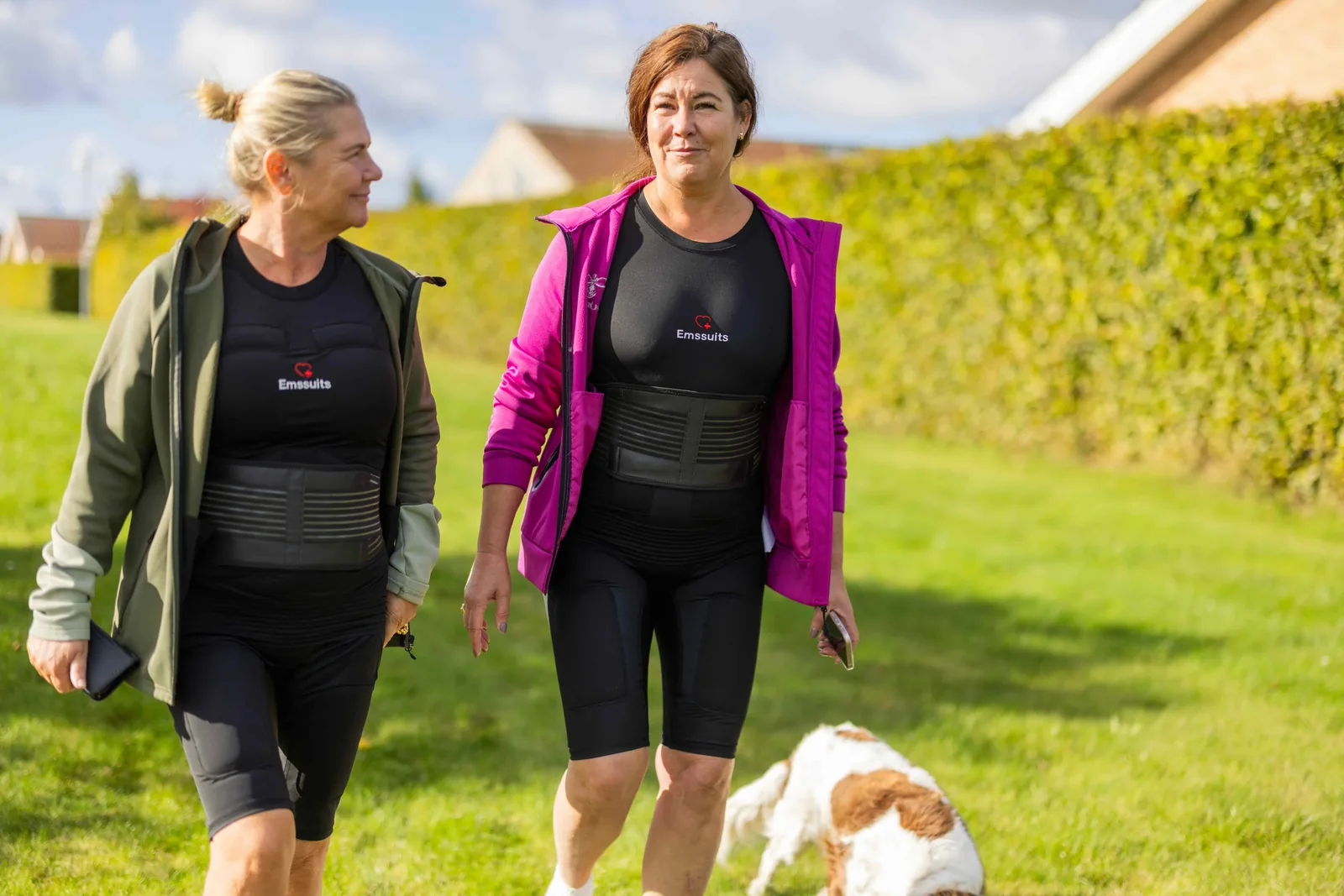
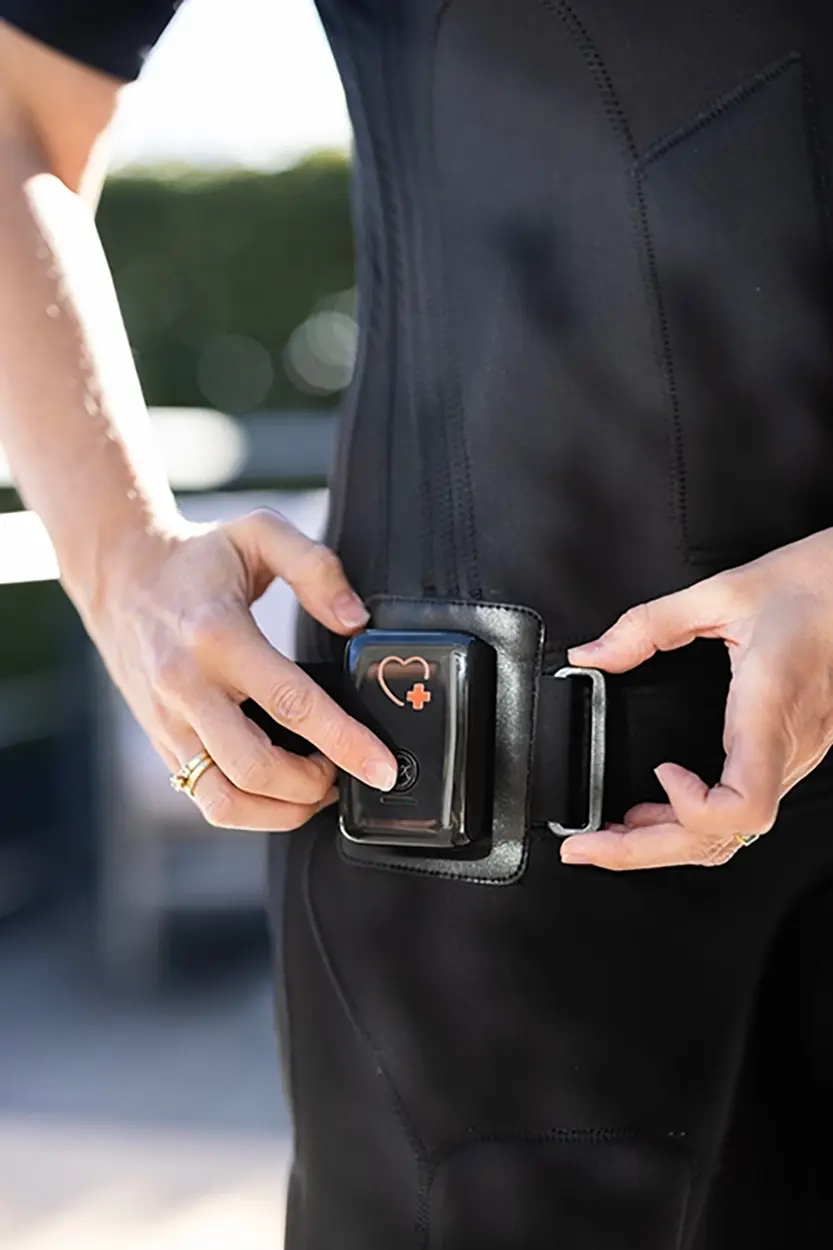
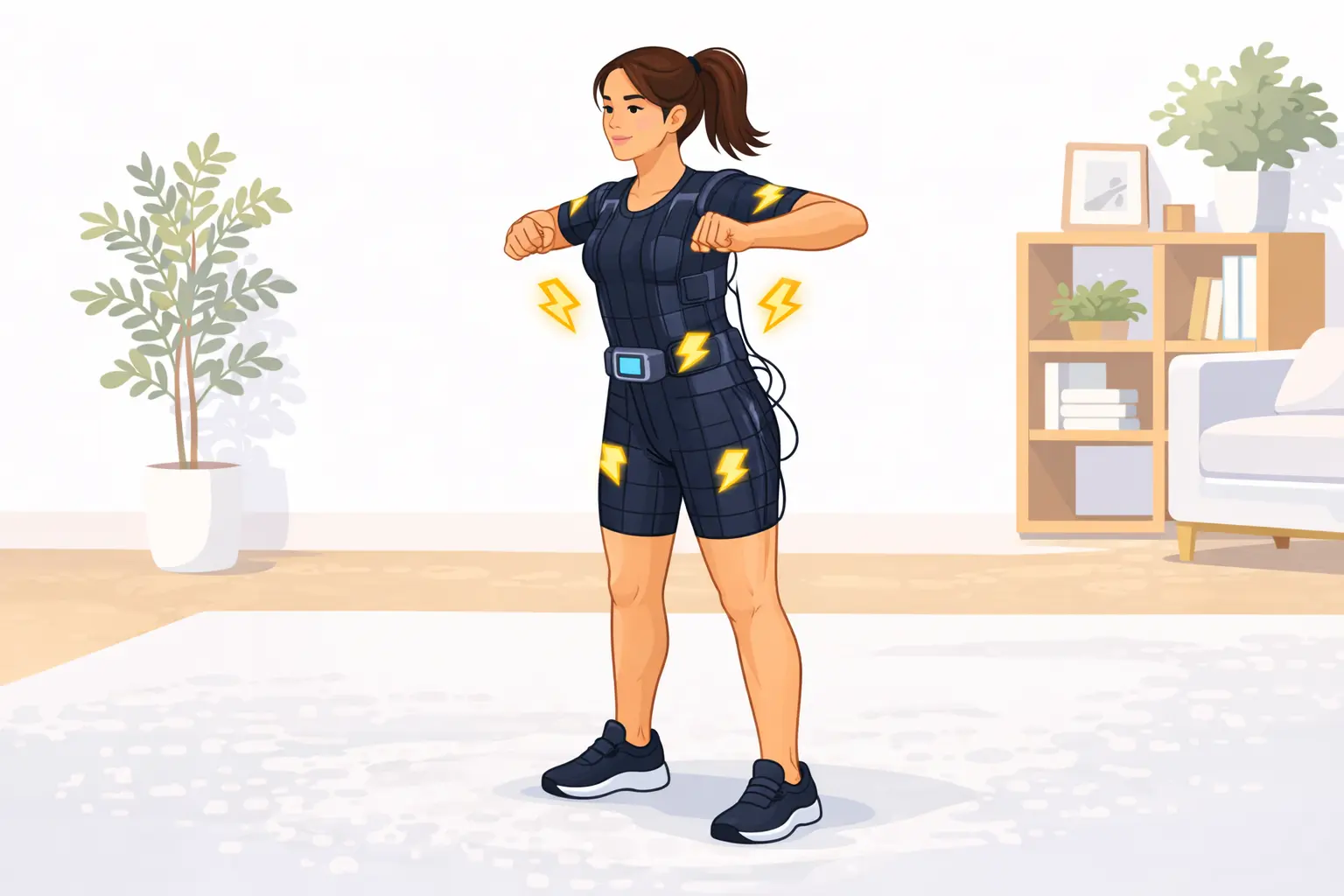
EMS stands for electrical muscle stimulation and is a form of training in which muscles are activated by electrical impulses delivered through electrodes placed on the body. EMS training at home typically uses electrodes, belts or vests connected to an EMS device that controls the intensity.
The difference between EMS training in a studio and EMS at home is primarily the level of guidance and equipment. Home training requires more self-discipline and responsibility, but in return offers flexibility and the freedom to train whenever it suits you.
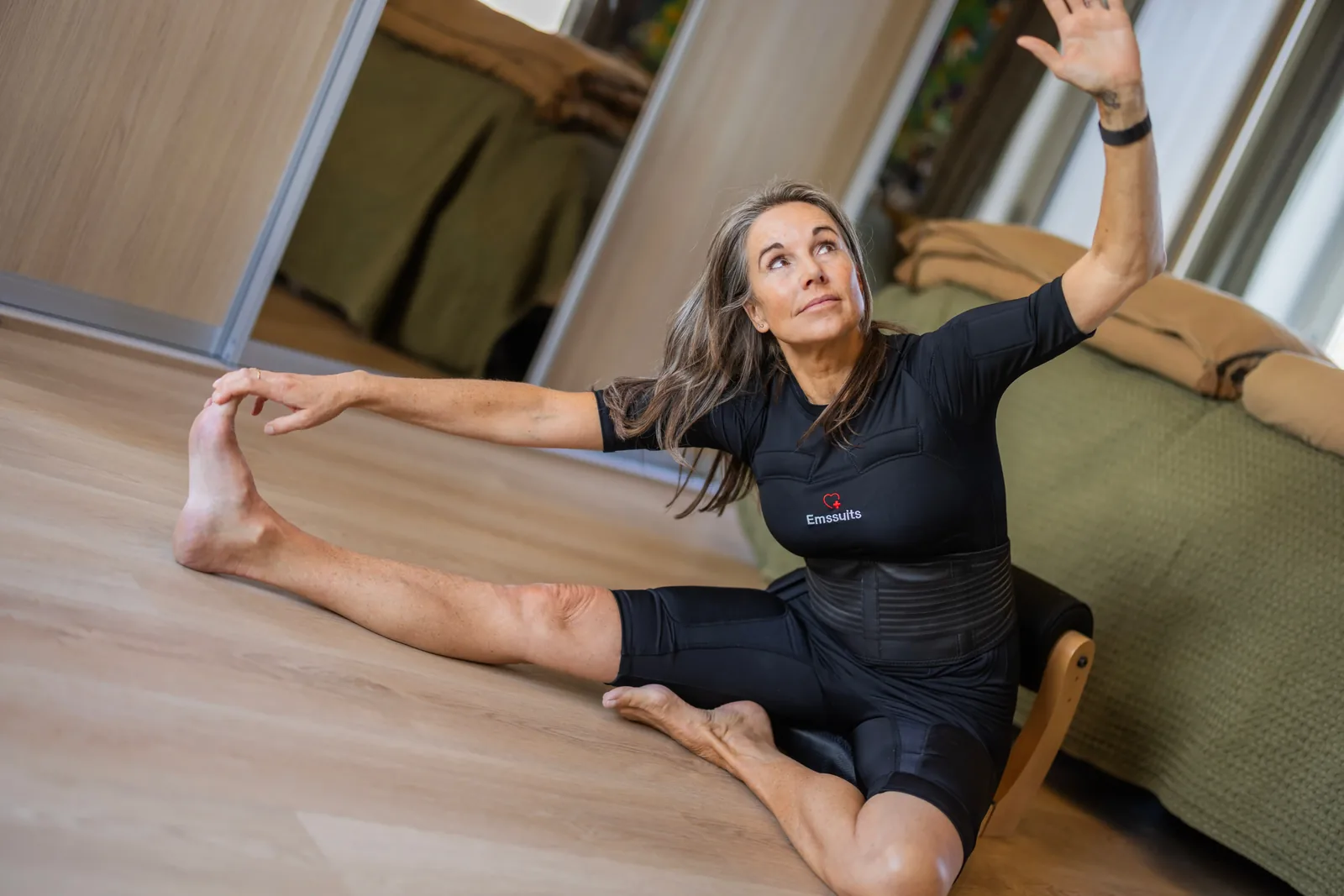
EMS can be used both passively (while sitting or lying still) and actively, combining the impulses with exercises. The active approach generally delivers the best results.
EMS training at home – 5 effective exercises
Swipe sideways to see the full table →
| Exercise | Main muscle groups | Difficulty with EMS |
|---|---|---|
| Squat | Thighs, glutes, core | Moderate to high |
| Lunge | Legs, glutes, stabilising muscles | High |
| Plank | Core, shoulders, back | Very high |
| Glute bridge | Glutes, hamstrings | Moderate |
| Standing row / arm contraction | Back, shoulders, arms | Moderate |
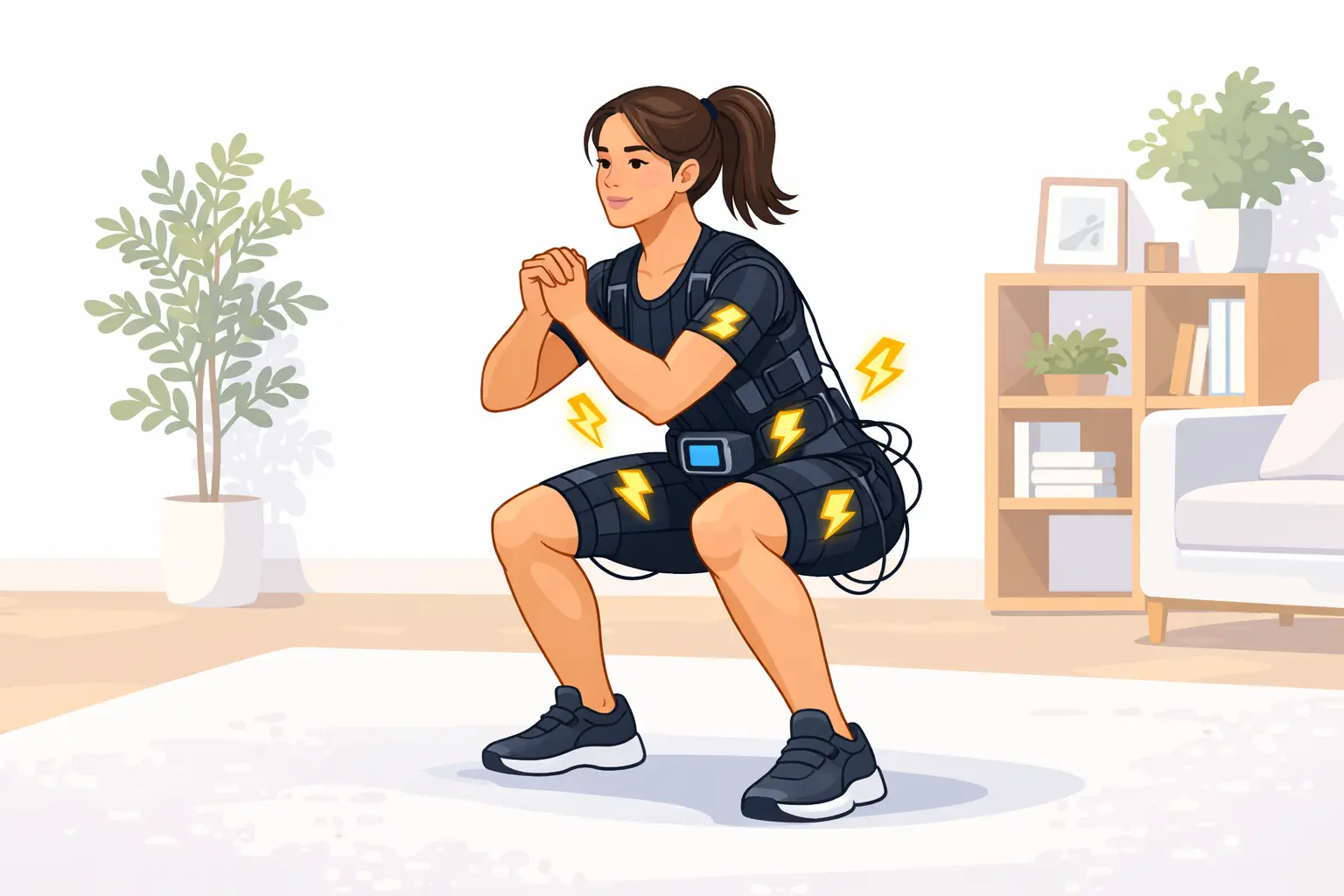
1. Squat with EMS
Squats combined with EMS particularly activate the thighs, glutes and core. Stand with your feet shoulder-width apart, lower yourself slowly, then push back up. The EMS impulses intensify muscular activity, so even a few repetitions can feel intense.
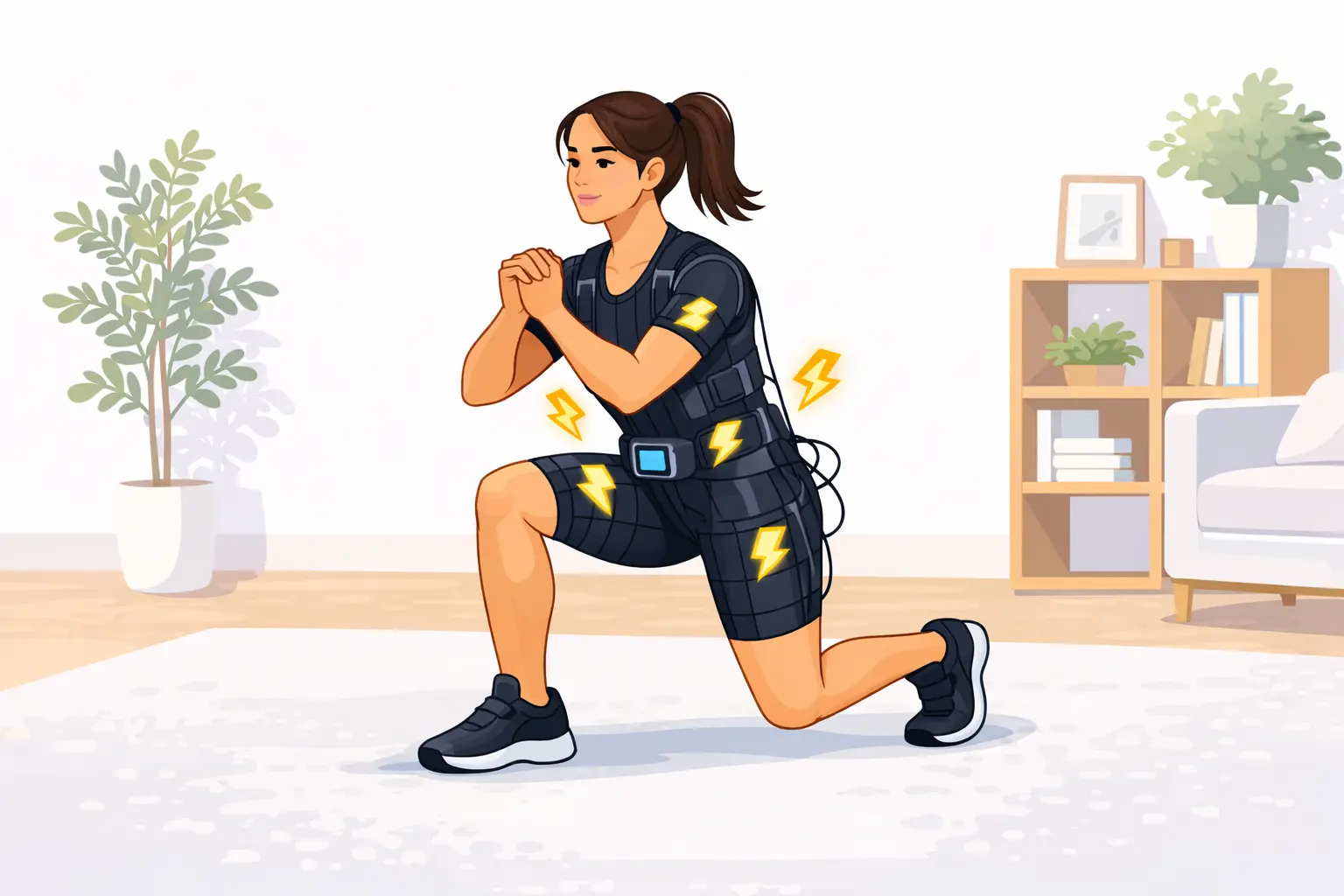
2. Lunge (stationary or forward)
Lunges are effective for the legs and glutes while also challenging your balance. EMS activates the muscles even more, particularly in the front leg. Keep your upper body upright and move with control.
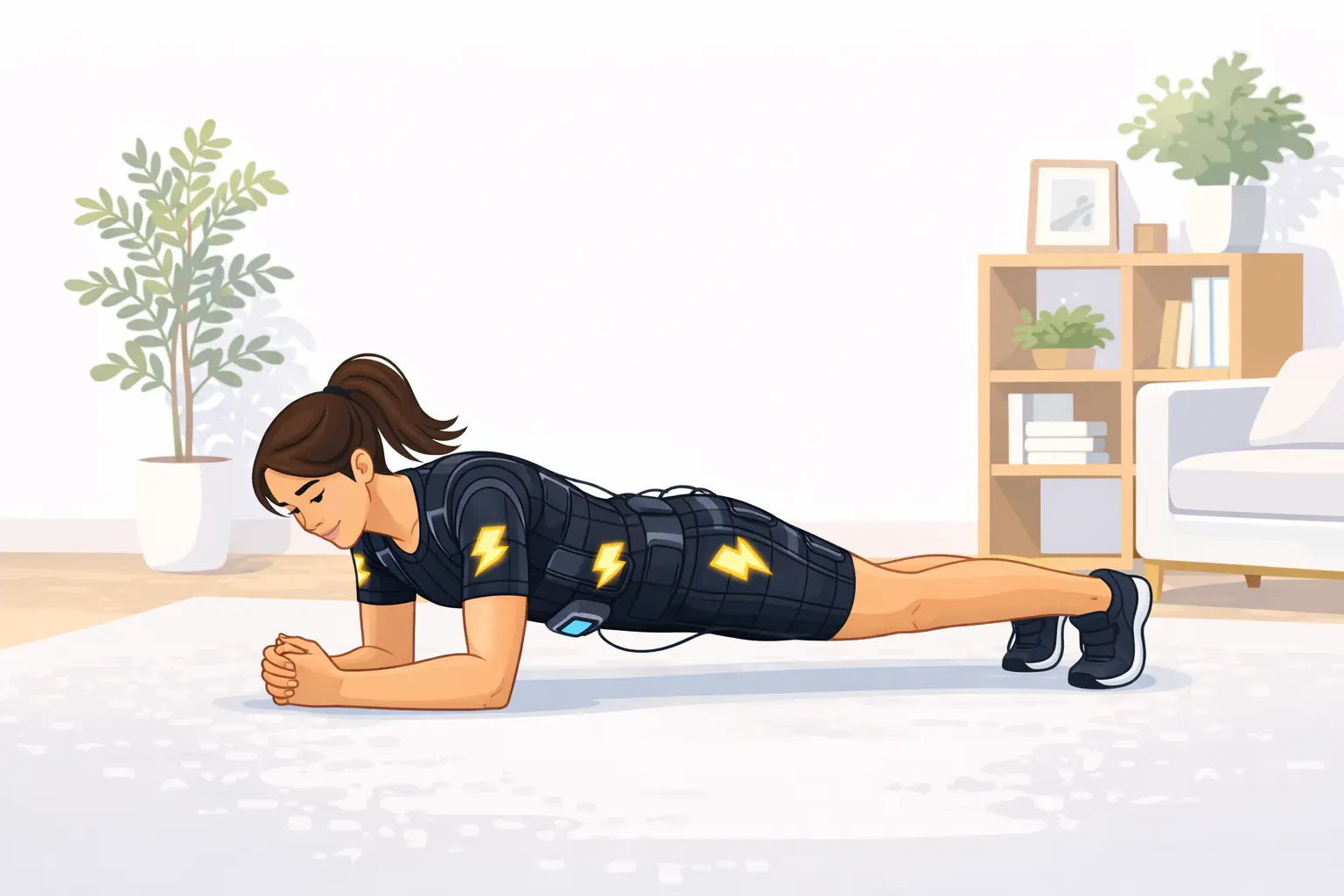
3. Plank with EMS
The plank is a classic core exercise that becomes significantly harder with EMS. Keep your body stable and engage your abdominal and back muscles. Most people find that a shorter hold is more than enough when EMS is active.
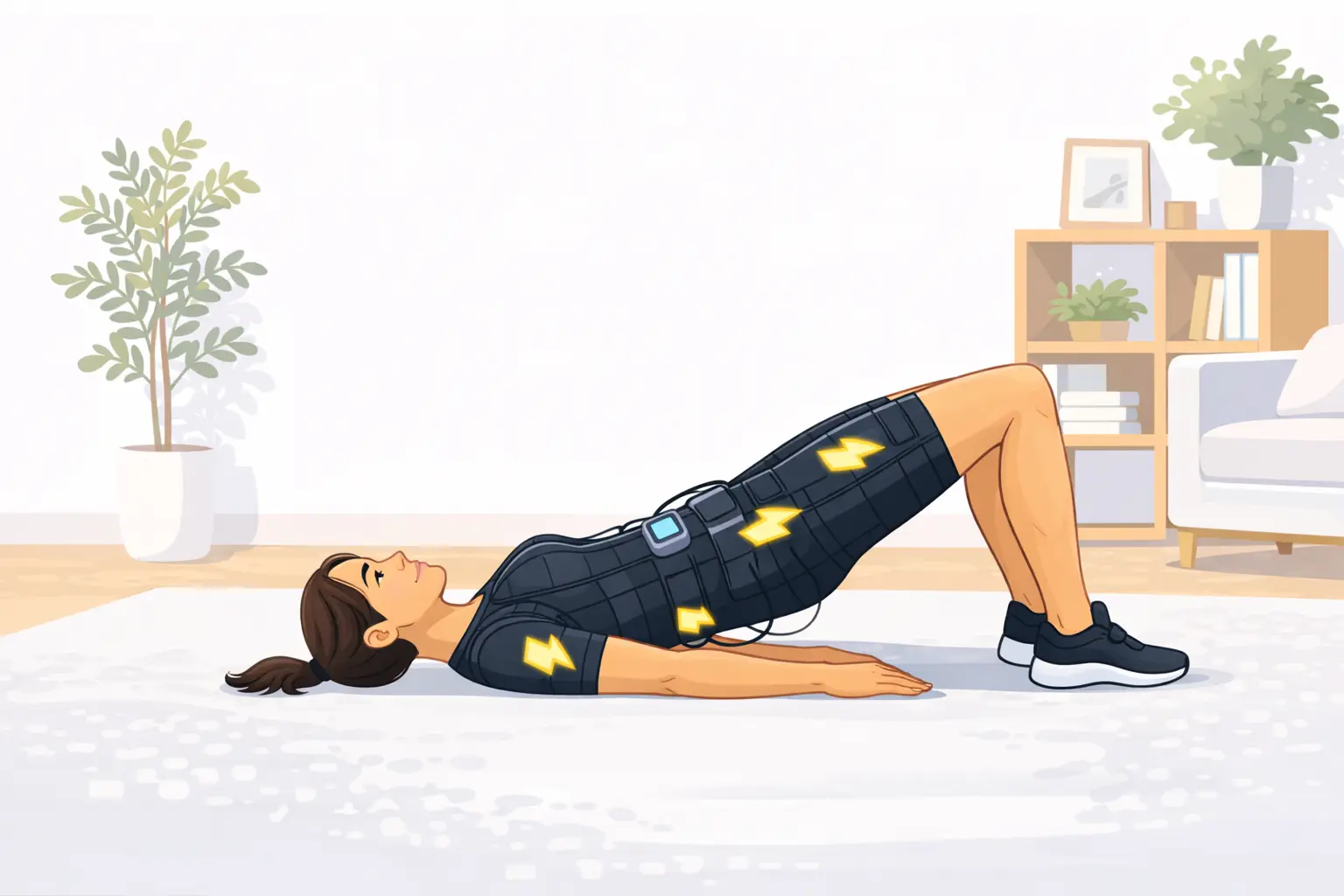
4. Glute bridge
Lie on your back with your knees bent and lift your hips towards the ceiling. This exercise is gentle on the back and effectively targets the glutes and hamstrings. EMS makes it easier to fully activate your glutes.
5. Standing row / arm contraction
This exercise activates the back, shoulders and arms. Stand upright and draw your arms back as though pulling something towards your body. EMS helps improve muscle engagement and supports good posture.
Home training programme (3 times a week)
Swipe sideways to see the full programme →
| Day | Focus | Exercises | Duration |
|---|---|---|---|
| Day 1 | Legs & glutes | Squat<br> Lunge<br> Glute bridge | 20 minutes |
| Day 2 | Core & stability | Plank<br> Side plank<br> Glute bridge (static hold) | 15–20 minutes |
| Day 3 | Upper body | Standing row / arm contraction<br> Gentle squat + arm movement<br> Plank with shoulder taps | 20 minutes |
Benefits of EMS training at home
One of the biggest benefits of EMS training at home is flexibility. There is no travelling involved, and you can easily fit short workouts into your day. A session often takes 15–25 minutes, making it easier to stay consistent.
You can also control the pace and intensity yourself, and many people find that training in familiar surroundings makes it easier to get started and keep going. EMS at home is particularly well suited to focused strength training that activates several muscle groups simultaneously.
Limitations of EMS training at home
EMS training at home places greater demands on you as a user. There is no instructor to correct your technique or adjust the intensity as you go, so you need to pay particular attention to your body's signals.
There is also a risk of turning the intensity up too high in pursuit of quick results. EMS is effective, but it is not a strain-free shortcut. Nor can EMS replace all physical activity – cardiovascular fitness, mobility and coordination should still be priorities.
How to get started safely with EMS training at home
Before you start, it is important to warm up gently. This could involve 3–5 minutes of movement, such as gentle marching on the spot or dynamic exercises. Always start at a low intensity and increase it gradually as your body gets used to the impulses.
The electrodes must be positioned correctly over the intended muscle groups, and training sessions should initially be limited to 15–20 minutes. Remember to rest between training days, too – recovery is essential for results.
How often should you do EMS training at home?
For most people, 1–3 workouts a week is appropriate. EMS is intensive, and your muscles need rest between sessions. More training does not necessarily mean better results – quality and recovery matter more than frequency.
Can EMS training at home be your only exercise?
EMS can be used on its own if the alternative is no exercise. For the best and most lasting results, however, it is recommended to combine EMS with regular activity such as walking, cycling or light cardio. This provides more well-rounded training and better physical function.
Who is EMS training at home suitable for?
EMS training at home is well suited to people with busy lives who want an effective workout in a short time. It is also suitable for beginners who want to start strength training at their own pace, and for people who prefer a low-impact form of exercise without heavy weights.
Who should not do EMS training at home?
EMS is not recommended during pregnancy or for people with a pacemaker. People with serious heart or neurological conditions, epilepsy or other serious health conditions should only use EMS training with their doctor's agreement. If you have a fever or infection, postpone training until your body is ready again.
Can I use your EMS suits to train on my own?
Yes, absolutely. Follow the guidance in this article and you will be well on your way. Alternatively, you can join one of our centres for professional support. Browse our range of EMS suits.
Frequently asked questions
Is EMS training at home effective?
Yes, EMS training at home can be effective when used correctly and at the right intensity. Combining EMS with active exercises such as squats, lunges or planks activates several muscle groups simultaneously. However, results depend on regularity, recovery and correct use of the equipment.
Can I do EMS training at home without an instructor?
Yes, you can. However, EMS training at home requires you to follow the instructions carefully and start at a low intensity. It is important to position the electrodes correctly and not increase the intensity too quickly. Many people choose to start with professional guidance and then continue at home.
How often should you do EMS training at home?
For most people, 1–3 times a week is appropriate. EMS is an intensive form of training, and your muscles need rest between sessions. More training does not necessarily produce better results – recovery is an important part of the process.
What equipment do I need for EMS training at home?
You need an EMS device along with electrodes, a belt, vest or an EMS suit, depending on your setup. It is important that the equipment fits correctly and provides even stimulation across the muscle groups. Equipment quality affects both comfort and effectiveness.